Constructive Discharge: Can You Sue If You Were Forced to Quit?

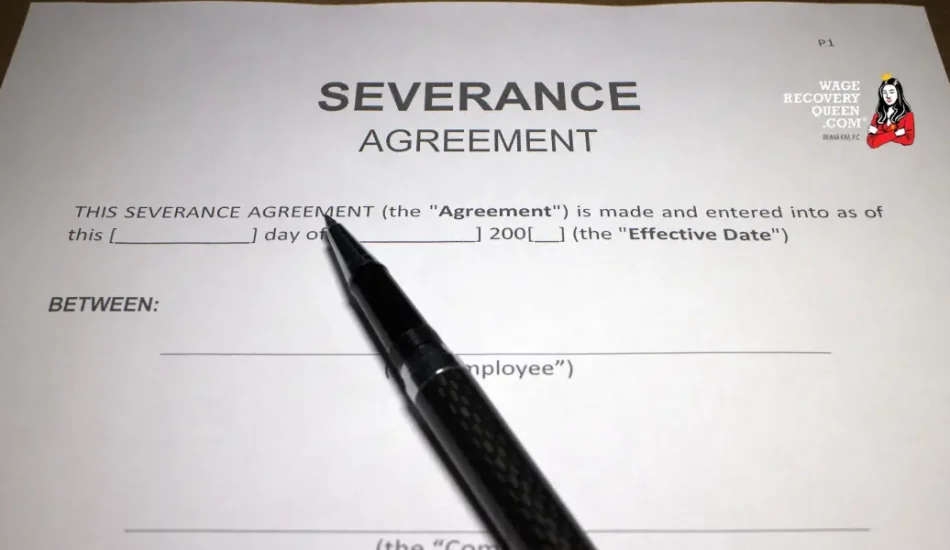
Employees working in any size business can find themselves in a situation where they are asked to break the law or are discriminated against. What typically happens next is that you either go along with it or are pressured to resign or quit because of toxic working conditions. Constructive discharge is leaving employment due to intolerable working conditions.
Choose The Law Office of Briana Kim, PC, for your constructive discharge or wrongful termination case. Ms. Kim is an experienced lawyer with passion, perseverance, and the skills to help build a case and pursue justice for you. Ms. Kim is a Korean employment lawyer who speaks English and Korean, with a basic knowledge of French. Ms. Kim and her legal team are attentive to each client’s unique case.
What Is Constructive Discharge?
Constructive discharge occurs when an employee is forced to quit or resign due to intolerable working conditions. In many cases, constructive discharge is the result of illegal conduct, such as discrimination, severe harassment, or retaliation.
For a constructive discharge claim, you must provide evidence or proof that:
- Working conditions were toxic, hostile, or intolerable for a reasonable person.
- The employer is responsible due to a failure to act or engaging in illegal practices.
- Your resignation was involuntary and due to the employer’s conduct.
Before you quit or resign, gather supporting evidence, including documents, notes, emails, and names of fellow employees who witnessed the illegal behaviors. Report the problem or issue to human resources or the head of the company to establish a record.
Start your constructive discharge case by filing a complaint before pursuing a legal claim. If you think you experienced constructive discharge, consult a lawyer prior to filing a complaint with the U.S. Equal Employment Opportunity Commission or the California Civil Rights Department. A lawyer can help by preserving evidence and providing guidance on filling out the initial complaint.
Constructive Discharge and Wrongful Termination Laws in California
California employees enjoy a robust set of employment laws that are both strict and actively enforced. Constructive discharge in California occurs when an employer knowingly allows working conditions to get so intolerable that an employee feels compelled to resign. The law can treat constructive discharge as wrongful termination when the employer’s conduct forces the employee to resign.
When severe or persistent workplace harassment goes unchecked, it creates a hostile and intolerable, even toxic work environment for employees being harassed. Examples include the following:
- Repetitive sexual harassment
- Continual offensive racial or ethnic remarks, slurs, or jokes
- Religious discrimination or harassment based on religious beliefs
- Age-based discrimination or harassment of older employees
- Disability discrimination and harassment based on disability status or traits
In California, wrongful termination and constructive discharge are covered by the California Civil Rights Department (CRD) and the Labor & Workforce Development Agency (LWDA).
If you are an employee in California, be aware of the laws governing fair and equitable employment. Holding employers accountable for understanding and enforcing the laws to protect employees builds a stronger economy for all workers. Employers must take action and keep employees safe. Employees needing legal help can hire a wrongful termination attorney from The Law Office of Briana Kim, PC.
Signs You May Be Experiencing Constructive Discharge
Not every bad situation at work falls under the category of constructive discharge. But when conditions become so severe that an employee feels compelled to leave, the situation may qualify under this legal standard.
There are certain warning signs to look for when determining if it’s time to take legal action. These common indicators of constructive discharge include:
- A sudden demotion or reduction of responsibilities for no reason
- Ongoing harassment or bullying from supervisors or coworkers
- Being pressured to participate in illegal activity or deliberate violations of workplace policy
- Unsafe working conditions
- Retaliation after reporting discrimination, harassment, or other unlawful conduct
If you have experienced anything similar to these circumstances, document the incident and save relevant communications. Seeking legal advice can help you know your options under California law.
FAQs
Can I File a Legal Case Against an Employer If Forced to Resign in California?
Yes, California employees can file a complaint, followed by a legal claim against an employer if forced to resign due to intolerable working conditions. Constructive discharge requires proof that the employee suffered severe discrimination, retaliation, or was pressured into performing illegal actions.
Is It Difficult to Prove Constructive Discharge in California?
Yes, it is difficult to prove constructive discharge in California because of the high legal standard of proof. You must prove that an employer knew about the intolerable or hostile workplace conditions and didn’t act to correct the situation. You must convince the judge or jury that the working conditions were so bad that a reasonable person could not work there. You must gather evidence, including notes, emails, memos, and any witnesses to the harassment or illegal actions.
Do I Have to Report Issues I Have to My Employer in California?
Yes, before you file a complaint or bring a legal claim for wrongful termination or constructive discharge, you must report the actions being taken against you to your employer. Depending on the company, most illegal actions are reported through human resources or a hotline to employee services. By reporting, you create a record of the issue, and you allow the employer time to fix the problem.
Is Constructive Discharge the Same Issue as Wrongful Termination in California?
Constructive discharge is not the same issue as wrongful termination in California. They both allow employees to take legal action to recover lost wages. Constructive discharge is an intolerable workplace that an employer knows about but fails to take any useful or valid corrective action to correct. Wrongful termination is when an employee is fired directly by an employer for illegal reasons, including harassment, discrimination, or retaliation.
Hire a Wrongful Termination Lawyer
Whether you have been wrongfully terminated, harassed, or forced to quit due to intolerable working conditions, we are here to work with you to prove your case and pursue the compensation you may be entitled to. We can help you gather evidence and file a claim with the California Civil Rights Department and represent you in settlement negotiations or protect your rights in front of a judge and jury.
Contact us today to get started.
Locations
249 East Ocean Blvd, Ste 814
Long Beach, CA 90802
6 Centerpointe Dr, Ste 700,
La Palma, CA 90623
Briana kim, pc focuses on employment law

Get A Free Consultation
Fields Marked With An “ * ” Are Required
locations
249 East Ocean Blvd, Ste 814
Long Beach, CA 90802
6 Centerpointe Dr, Ste 700,
La Palma, CA 90623
Contact
© 2026 Copyright The Law Office of Briana Kim. All Rights Reserved.
*Images are obtained under license from Canva and other third-party stock image providers, with attribution included where required.
Digital Marketing By 